

Geopolitics is a complex dance that involves myriad overlapping and intersecting issues, arranged across the globe in a seemingly haphazard fashion. The means of defending and advancing national interests shift with the prevailing winds of events, forcing policymakers to rapidly adapt or fail. The most well-laid plans can be brought low by entirely unrelated actions. Strategies and tactics must be flexible to deal with the only constant of geopolitics: change. The complicated entanglements inherent in international affairs – the growing roster of sovereign nations only increases that complexity – are nigh-impossible to sort out. The threads are simply too intertwined to easily separate, while fast-moving global events keep twisting any luckily-untangled strands into bigger knots. This may make the pursuit of national interests and the achievement of national goals seem impossible. But the past year has shown us that this is, for America at least, not at all the case. Sometimes, with a large enough sword, you can actually cut the Gordian knot of geopolitics.
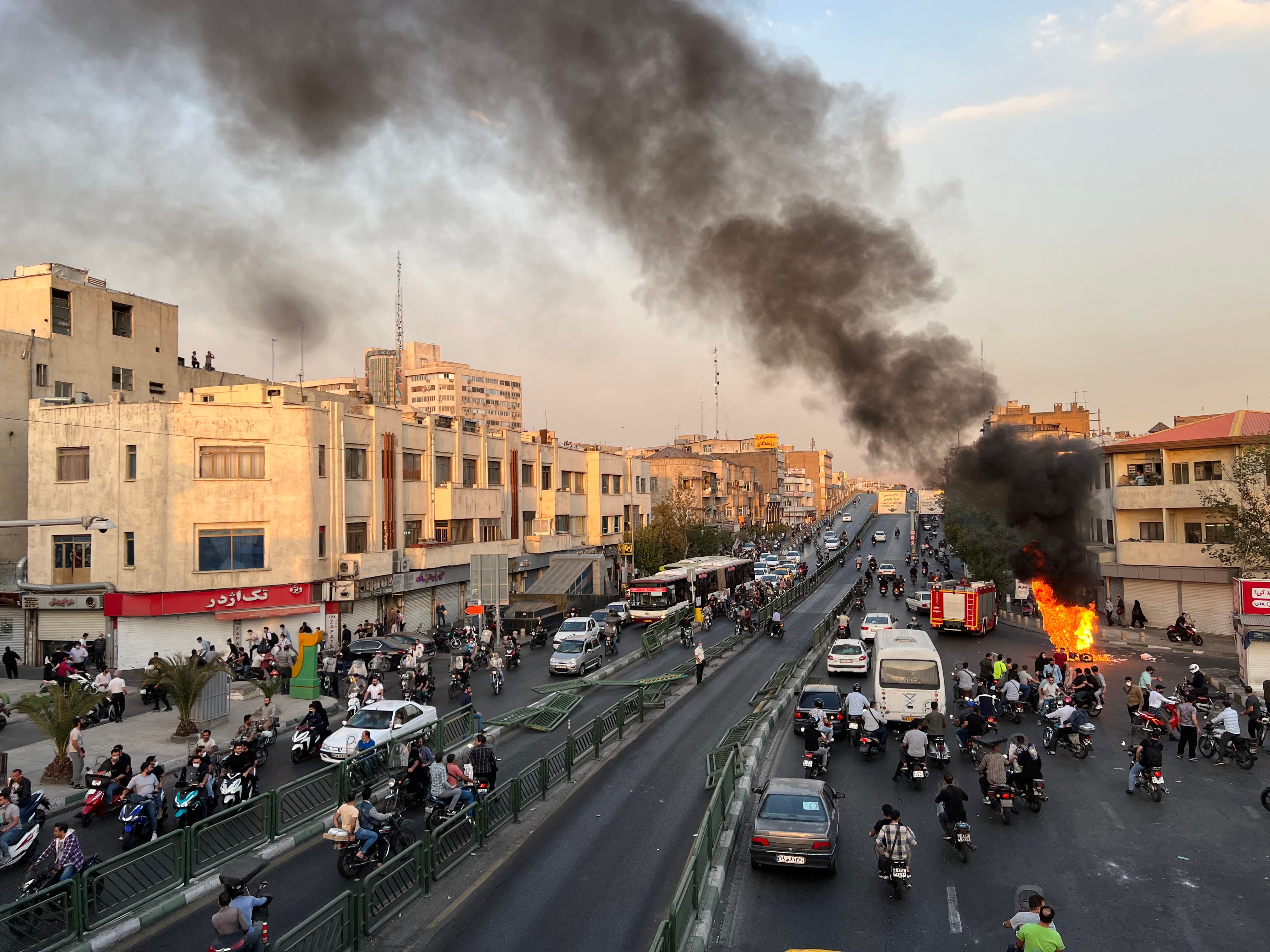
Two major examples stand out in this regard: Iran and Venezuela. The Iranian nuclear program, existing in some form or another for about 20 years, was a thorn in the side of American governments that only grew more dangerous and destabilizing every year. Some sought to confront it indirectly, using international institutions to assist. Others saw negotiation and normalization as the means of lessening this threat. Both approaches failed. Iran’s malign regional aims, running directly contrary to our interests, were protected and advanced by the attempts to forestall Tehran’s nuclear ambitions diplomatically. This all culminated in the October 7 massacre and the subsequent regional war launched by Iran against Israel. Since then, Israel – with American backing – has dismantled much of Tehran’s network of terror proxies, even going so far as to repeatedly strike in Iran proper. But the coup de grace was delivered by American stealth bombers, which dropped massive ordnance on several key Iranian nuclear sites, destroying them for the foreseeable future. The attack not only decimated the biggest security threat Iran could pose, it undermined the regime, helping lead to the massive protests roiling the country today. The use of overwhelming, targeted military force did what decades of talk couldn’t: decisively stunt Tehran’s nuclear and regional ambitions.
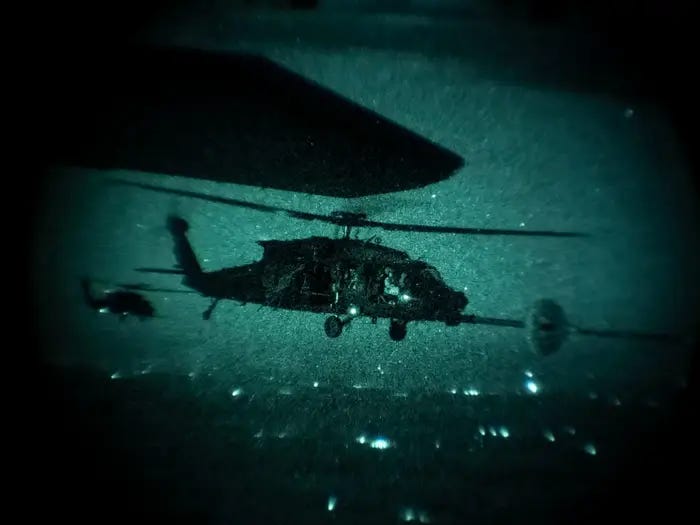
This past weekend’s actions in Venezuela are an even more impressive case of cutting to the heart of the problem instead of tiptoeing around its edges. The Chavista regime has run Venezuela into the ground since the late 1990s, growing increasingly antagonistic to America, involving itself in transnational criminal activity including drug trafficking and terrorism, and consorting with our nation’s enemies. Under Nicolas Maduro, the regime has accelerated its repression and misgovernance, leading to the exodus of nearly eight million Venezuelans – more than a quarter of the population – since 2013. Venezuela has been sanctioned repeatedly by the US, but continues to evade large portions of those sanctions, all the while enriching our foes and providing critical energy resources for nations like China. For years, this problem in our own backyard was left to fester. Under the second Trump administration, the old approach, with all its complexities and nuances, was discarded in favor of lightning action. Maduro, a criminal dictator with a $50 million bounty on his head and a slew of federal indictments, was arrested in Caracas, exfiltrated to the United States, and now faces charges from an American jail cell. At the same time, other core regime assets were struck and a partial naval quarantine was enforced, all without any American deaths.
The lesson from these two successful missions is that American military might, properly used, allows us to achieve longstanding national ends without nearly as much difficulty as has been claimed. In the right circumstances, limited action can have an enormous effect, eliminating or greatly reducing serious threats to American interests and security. In short, we can just do things.
The Iran and Venezuela operations prove that our military apparatus is the most highly-skilled and powerful in the world, that we can accomplish missions that no other fighting force can, and that we can do so in an incredibly rapid fashion. The speed and surprise with which we can operate cannot be understated. It allows us an incredible advantage, but it requires secrecy. That means not telegraphing our moves to international institutions, domestic politicians, or foreign foes. It sometimes means unilateralism, although not always, as the Iran strike was carried out alongside the Israelis. It means no longer taking months to assemble a fractious coalition and suborning American interests to those of the group. It means not spending years negotiating fruitless agreements with enemies who will inevitably turn around and ignore them in practice. It means no longer pussyfooting around questions of core national importance. Instead, it means taking unapologetically decisive action to achieve concrete geopolitical aims. This is eminently doable and should direct our foreign policy going forward.
Less powerful nations are very good targets for this approach, as we have already seen in Iran and Venezuela. But other unfriendly and underpowered nations remain, including Cuba and Nicaragua in the Western Hemisphere. Their ruling regimes are just as illegitimate as Maduro’s was and they are just as antagonistic to America and our interests. These autocratic governments repress their people, foment regional unrest, and engage in wanton criminality. They also happen to be even less able to resist the judicious application of American force than Venezuela was. But it is not just the weak that can be cowed or otherwise influenced by American power or the threat thereof. The mindset of aggressively pursuing our national interest with the knowledge that we are the most powerful and competent nation on Earth can aid us in our clashes with far more concerning foes.
Russia and China are nuclear superpowers that routinely act against our interests and allies, either via threats, coercion, or outright military invasion. Still, they have weak points. They often use bluster that relies on a hesitant and irresolute America folding instead of calling the bluff. Russia’s chronic nuclear saber-rattling is a perfect example; meant to cow Washington into a fear of cataclysmic escalation that has no basis in reality, it is the primary reason why Ukraine failed to receive many key weapons systems in a timely manner. But these are empty threats. Treating them as such, secure in the understanding of America’s distinct military advantages, can change the entire trajectory of our strategy vis a vis Moscow. When it comes to China, the application of American force to enforce American and international law is a tougher task, but one that is worth pursuing. One potential direct target is the lawless Chinese fishing fleet, which engages in illegal overfishing, unwanted incursions into national waters, and sometimes acts as a plausibly deniable arm of the CCP military. Working with regional allies, we could seize or otherwise detain these vessels, showing Beijing that these gray zone tactics are unacceptable. China has long acted with impunity in this arena; it is time for American power to end that practice.
Geopolitics is complicated and, at times, confusing. Overlapping interests, entangled events, and seemingly intractable problems are the norm. Diplomats have long puzzled over how best to achieve national aims in such a dense thicket of complexity. But sometimes, if you have a powerful enough tool, you can simply cut through all the noise and get what you want. The American military is such a tool. We do not need to take half-measures and accept unsatisfying compromises that end up aiding our enemies and undermining our allies and interests. We can achieve our goals far more completely than that. We only need to unlock the confidence in ourselves to succeed. When in doubt, American leaders should remember three simple words: just do it.